Your Client Loved the AI Rendering. Now What?
AI renderings sell ideas fast, but they ignore weight, freight, and venue rules. How agencies can keep the concept and still build it.
AI image tools changed the pitch. A concept that used to take a designer a week now takes an afternoon. It's photoreal, it's dramatic, and the client approves it on the spot.
Then it comes to us to build.
We see it more every month: a beautiful image, a sold budget, an install date, and a design that ignores gravity, freight, and the venue's rules. None of that is the agency's fault. The tools are built to make a great picture, not a buildable one. But the gap between the two lands on the agency, usually at the worst possible time.
Why AI renderings don't build
An AI image doesn't know what anything weighs or what holds it up. The common problems:
- Spans and cantilevers that can't stand. A 30-foot roof with no visible support. A floating ring with nothing holding it in the air.
- Materials that don't exist at that size. Seamless glowing glass walls, curved surfaces with no seams, finishes that look like one piece but would have to be twenty.
- Scale drift. People, products, and structures that change size from one view to the next.
- Lighting with no power behind it. Every surface glowing, with no fixtures, no cable, and no thought about what the venue can supply.
- No load-in. Nothing about how it ships, how it fits through the door, how long it takes to build on site, or what the fire marshal will say.
- No second city. If it tours, nobody has asked how it packs into a truck and goes up again next week.
The problem isn't that the image is wrong. It's that the image becomes the promise.
Where it hurts
Once the client has seen the rendering, that's what they expect to walk into. The budget was built around the idea, not around the engineering. The timeline was set before anyone knew what it would take.
So the build partner comes back with options, and every option sounds like a step down. The agency ends up defending changes to a client who fell in love with a picture.
That's avoidable.
How to keep the idea and still build it
Bring the build partner in before the client sees it. A quick review with the people who'll engineer and fabricate it can catch most problems in a single conversation. It's much easier to adjust an image before it's been approved than after.
Label what you're showing. "Concept" and "design intent" set different expectations. Make it clear the image shows the feel of the experience, and that final materials and details will follow from engineering.
Find the part that matters. Every activation has a moment: the reveal, the hero object, the photo everyone takes, the first thing you see from across the room. Protect that. Most of what's around it can be value-engineered without anyone noticing.
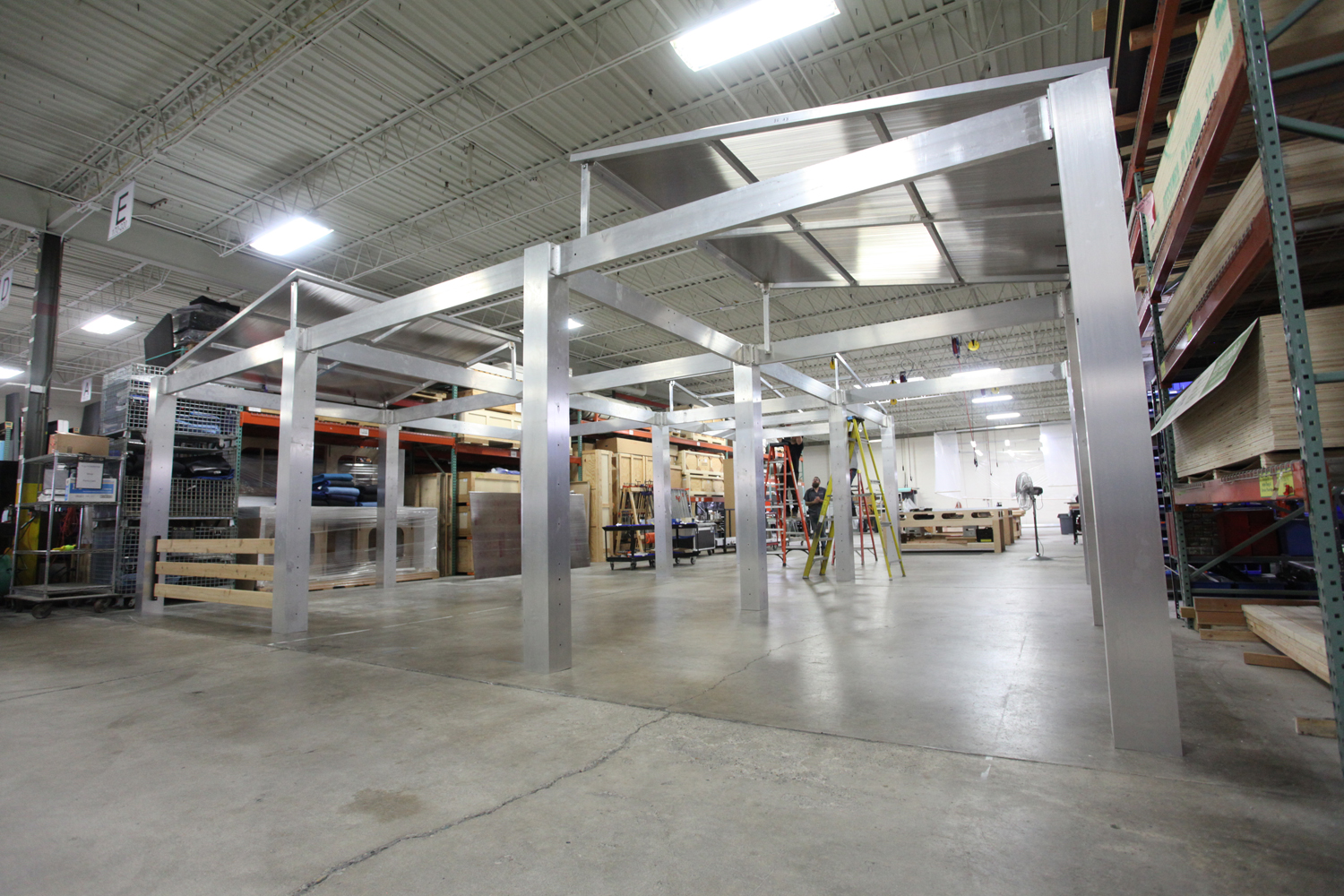
Get to real drawings fast. Dimensions, materials, weights, power, and how it goes together. Once the drawings exist, re-render from them so the final image is one that can actually be built.
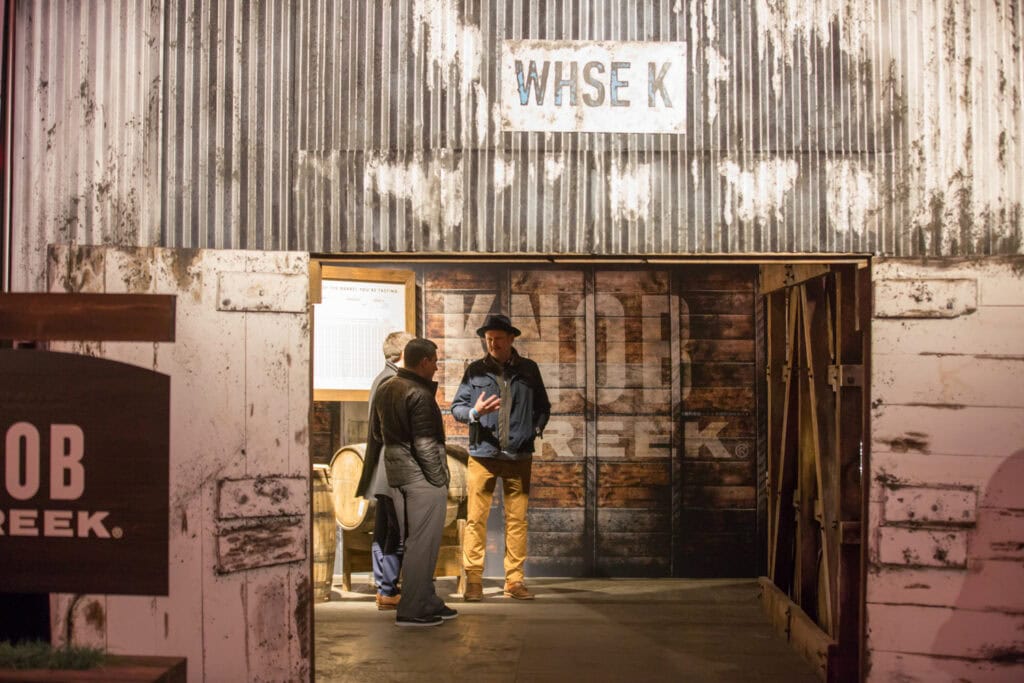
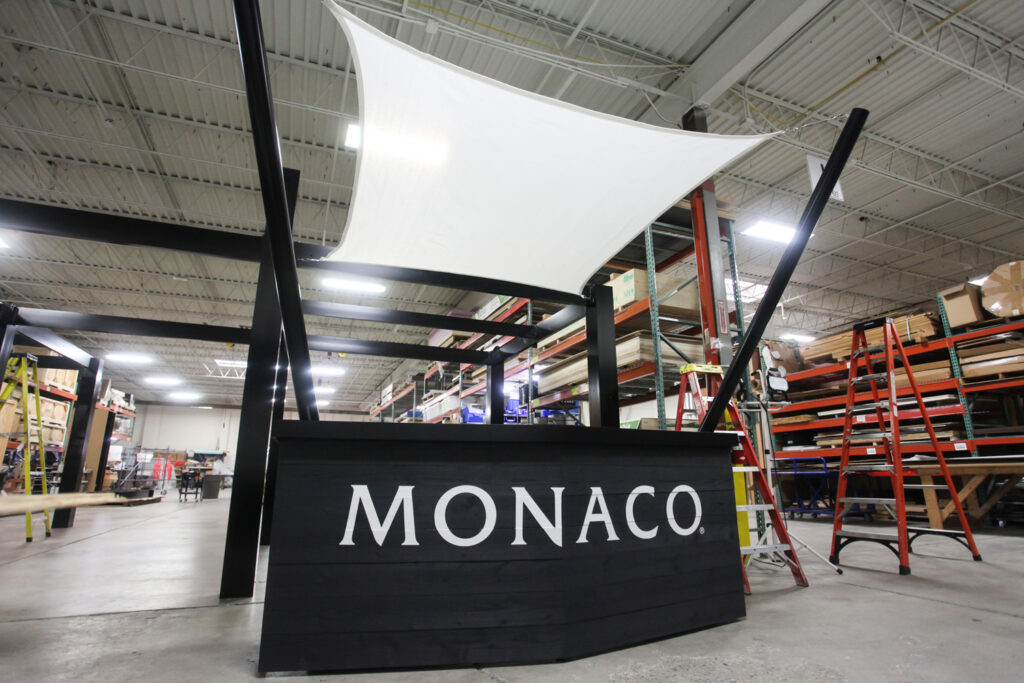
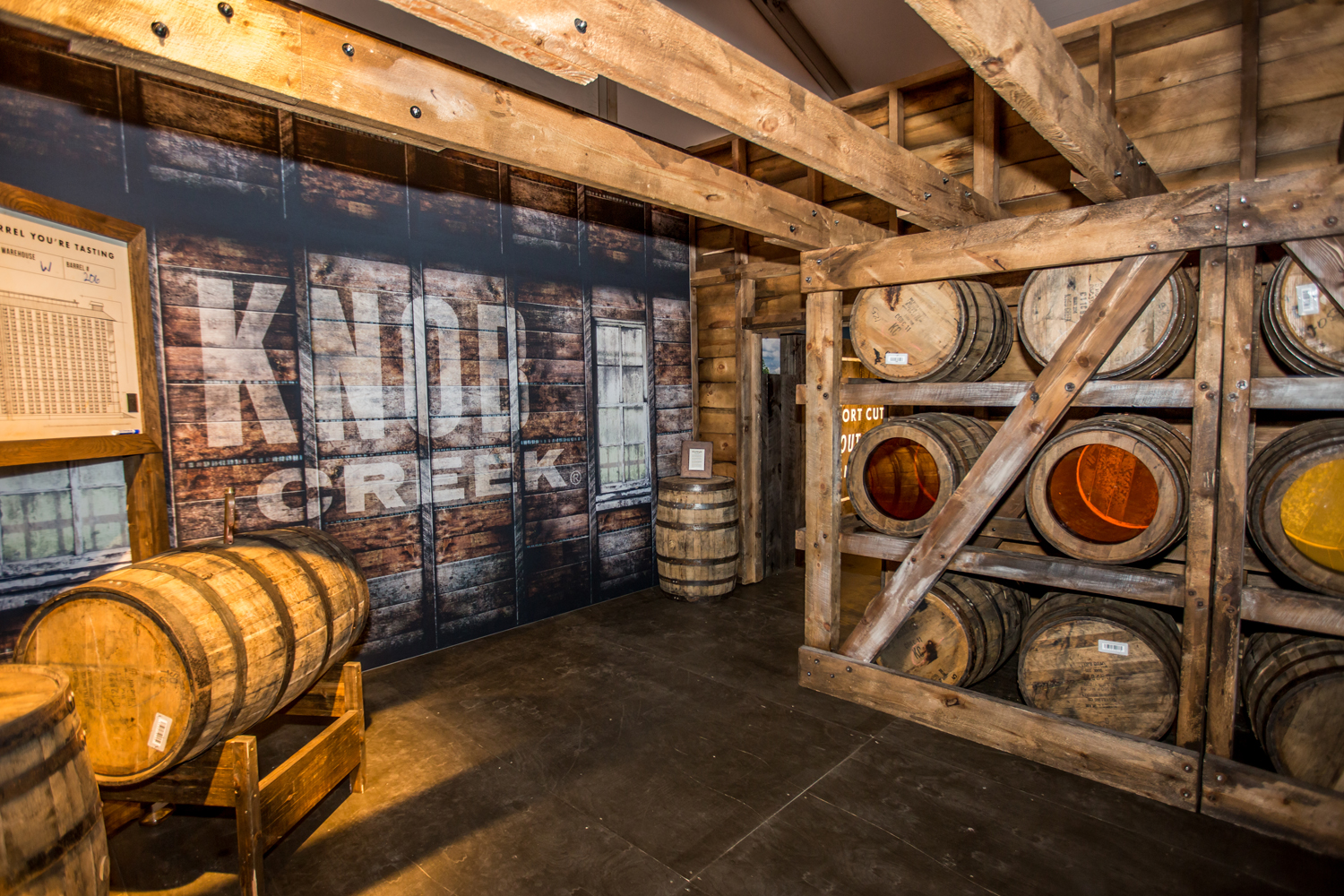
A good fabricator can often do this for you. Our renderings come straight from the engineering model in SolidWorks, or at the very least are reviewed by the fabrication team before anyone sees them. The client gets an image that's still dramatic, and everyone knows it can be built.
Share files in a format your build partner can use. If your designers work in SketchUp, SolidWorks, or AutoCAD, send the model, not just the image. A fabricator can pull dimensions straight from the file for a quote and start engineering from your geometry instead of redrawing it. That can save days at the stage when you have the least time.
Design for the road. If it tours, the design has to work for the truck, the crew, and the tenth install, not just the first one. Modular pieces, concealed connections, and finishes that survive being packed and unpacked matter more than they show up in a rendering.
AI is still useful
We use AI for renderings too. It's fast, it's a great way to explore directions, and it gets a client aligned on mood and feel before anyone spends money on drawings.
The difference is what happens next. An AI image is a starting point. Someone who builds things should look at it before the client does, and the image the client approves should come from a real model, not the other way around.
The idea still comes first
The best activations still start with a great idea. The agency brings that. The build partner's job is to keep as much of it as possible when it meets the real world: the budget, the venue, the truck, and the clock.
The earlier those two sit down together, the more of the idea survives.
Photos
Questions we hear
Can an AI rendering be used as a fabrication drawing?
No. It shows mood and intent, not dimensions, materials, weights, or how the pieces connect. A fabricator has to engineer it into real drawings first.
When should an agency bring in a fabrication partner?
Before the client approves the concept. A short review at that stage costs little and avoids redesigns, change orders, and missed install dates later.
What file formats help a fabricator quote faster?
Native 3D or CAD files such as SketchUp, SolidWorks, or AutoCAD. A fabricator can pull dimensions directly from the model instead of redrawing it from an image.
Does Cadence work with agencies?
Yes. Most of our activation and fabrication work comes through agencies. They bring the idea and run the program; we engineer, build, ship, and install it.