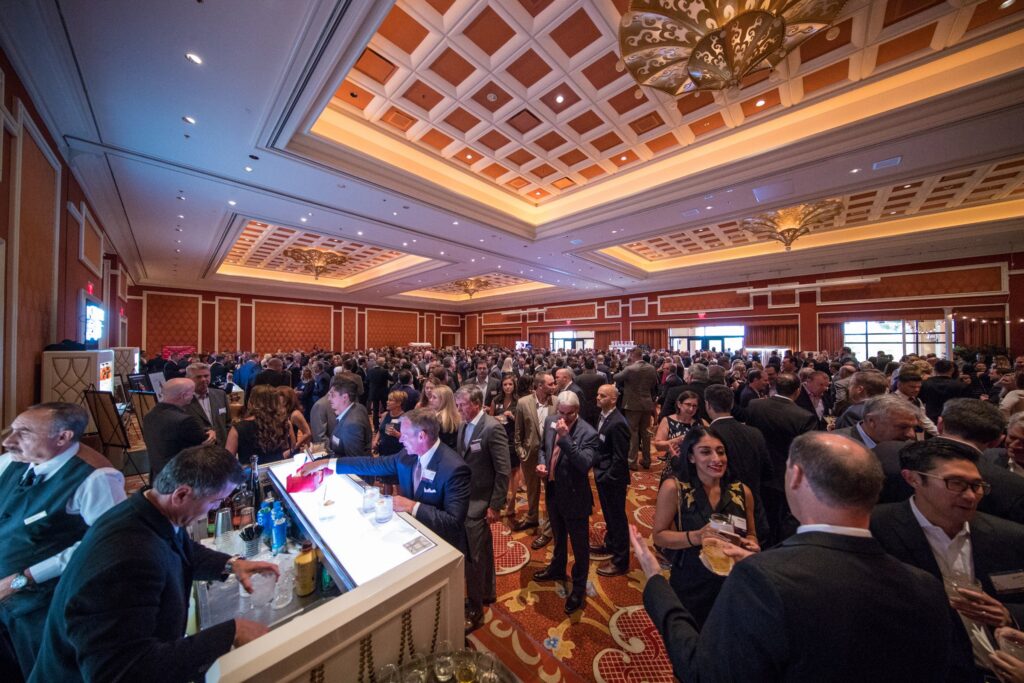
Why General Sessions Fail
Most general sessions don't fail on stage. They fail weeks earlier, when the agenda gets built around who has to speak instead of what the audience needs to walk out with.
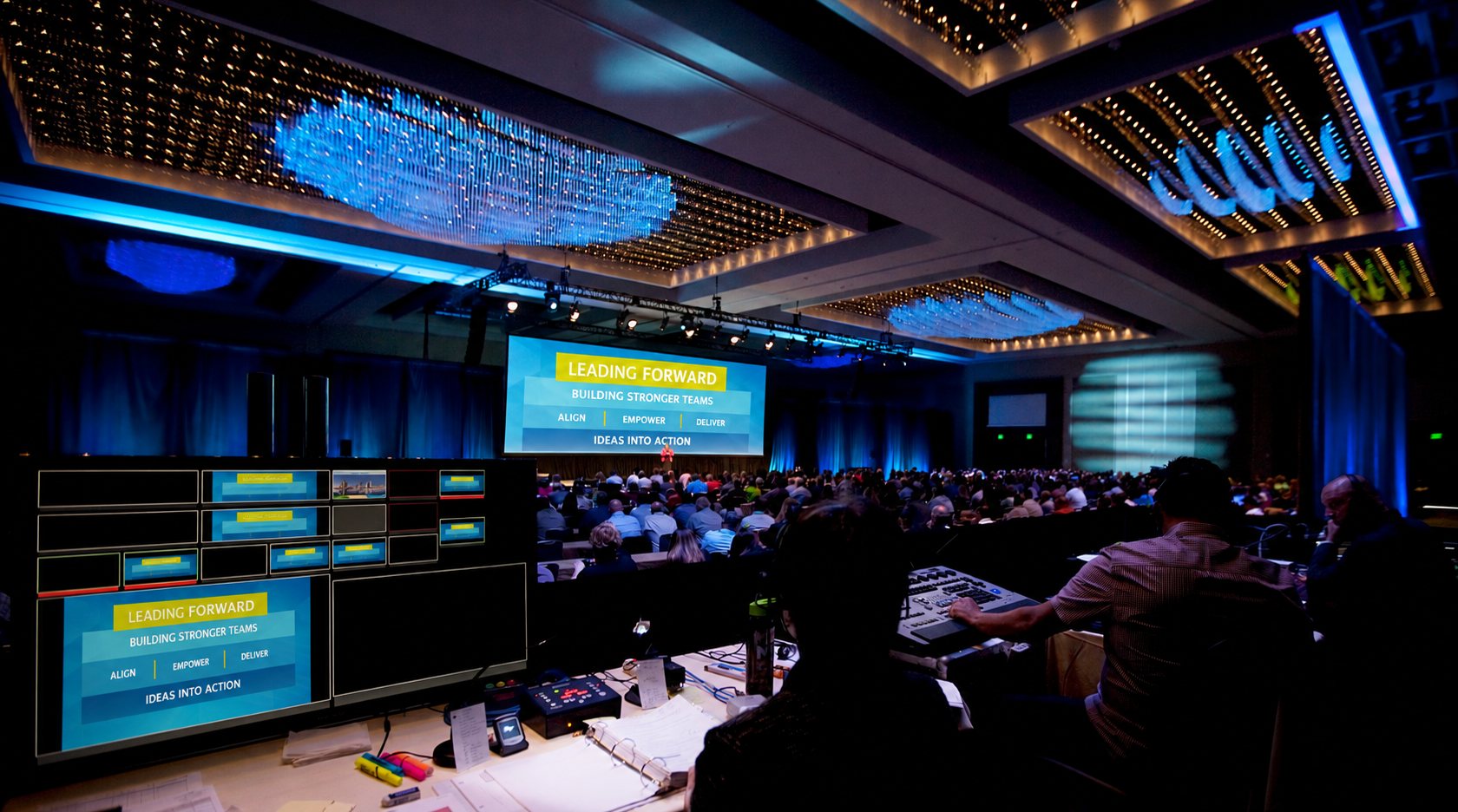
Most general sessions don't fail on stage. They fail weeks earlier, in a conference room, when the agenda gets built around who has to speak instead of what the audience needs to walk out with.
The LED wall can be flawless. The lighting can be perfect. If the message is scattered, the room checks out by the second presenter, and no amount of production fixes that.
Here's where it usually goes wrong, and what to do about it.
1. The agenda is a list of names, not a message
The first draft of most agendas is political. The CEO opens. Every division head gets a slot. Sales gets twenty minutes because sales always gets twenty minutes. Before anyone has asked what the meeting is for, the day is full.
That's backwards. Start with the message, then decide who is best positioned to deliver each piece of it. Some people who "have to speak" can be a two-minute video, a panel seat, or a breakout. Some people who weren't on the list should be.
2. Nobody agreed on the takeaways
Ask five executives what the audience should remember a month from now and you'll get five different answers. That's the problem in one sentence.
Before a single slide gets built, the leadership team needs to agree on three takeaways, maybe four. Not themes. Not values. Specific things the audience should know, believe, or do differently when they get home. Write them down. Every presentation gets measured against them.
If a section doesn't support a takeaway, it's a candidate to cut.
3. Five ways to say the same thing
One presenter calls it "simplification." The next says "operational excellence." Another talks about "doing more with less." The audience hears three initiatives when there's only one.
Pick one way to say it, and use it everywhere: in every deck, every video, every script, on the stage graphics and in the follow-up email. Have one way to say something, not five. Repetition isn't redundant. It's how a message survives the trip home.
4. Every speaker gives the whole speech
Left alone, every presenter opens with the state of the market, recaps last year, and previews the future. By the fourth speaker, the audience has heard the same setup four times.
Give each speaker a lane. One sets the context. One covers results. One introduces what's changing. One tells people what it means for them on Monday. When the lanes are clear, each presentation gets shorter and the whole session gets stronger.
5. There's no story arc
A general session is one story told by several people. It should have a beginning (where we are), a middle (what's changing and why), and an end (what we need from you). When the agenda is a stack of unrelated presentations, there's no tension, no build, and no payoff.
Map the arc first. Then slot the speakers, videos, and moments into it.
6. Nobody planned for the energy in the room
Audiences have a rhythm. Energy is high at the open, dips after lunch, and fades fast during a 45-minute data dump. A good agenda plans for that: shorter segments, a change of format every 15–20 minutes, video and live moments where attention sags, and the strongest content where the room can actually absorb it.
The post-lunch slot is not where the most important message goes.
7. The clock wins
Speakers run long. Transitions take longer than planned. By the afternoon, the last presenter (often the one with the call to action) gets cut to half their time.
Timing is a content decision, not a production detail. Build in real transition time, rehearse with a clock, and hold speakers to it. A show caller and a confidence monitor with a countdown do more for a session than most people expect.
What works instead
- Start with the takeaways. Agree on three or four before anything else gets built.
- Build the arc. Beginning, middle, end, then assign speakers to it.
- Give everyone a lane. No overlap, no repeated setups.
- Lock the vocabulary. One phrase per idea, used by everyone.
- Plan for energy. Vary formats, keep segments short, protect the key moments.
- Respect the clock. Rehearse with timing and hold to it.
None of this needs a bigger budget. It needs someone to own the message across every presentation, not just the logistics of getting people on and off stage.
Production matters too: the stage, the screens, the sound, the show calling. That's a separate article. But production amplifies the message. It can't create one.
Questions we hear
How long should a general session segment be?
Attention drops fast during long, single-format presentations. Plan segments of roughly 15–20 minutes and change the format between them: a speaker, a video, a panel, a live moment.
Who should own the message of a general session?
One person or team should own the message across every presentation: the agreed takeaways, the shared vocabulary, and each speaker's lane. That can be an internal communications lead or a production partner, but someone has to see the whole show, not just their own slot.
When should general session content planning start?
Before any slides are built. Agree on the takeaways, the story arc, and the speaker lanes first, so presenters write to the plan instead of around it.